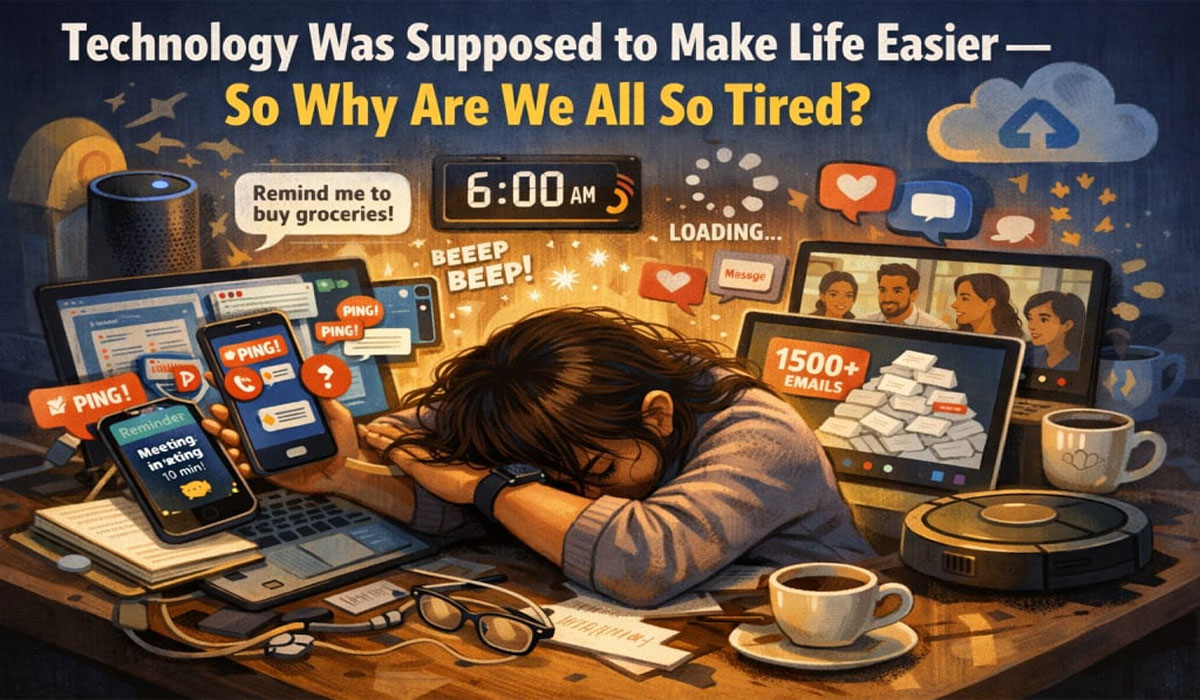
You Won’t Believe What New Technology Can Do in 2026!
Technology in 2026 has reached a level that once sounded like science fiction, transforming how people work, communicate..
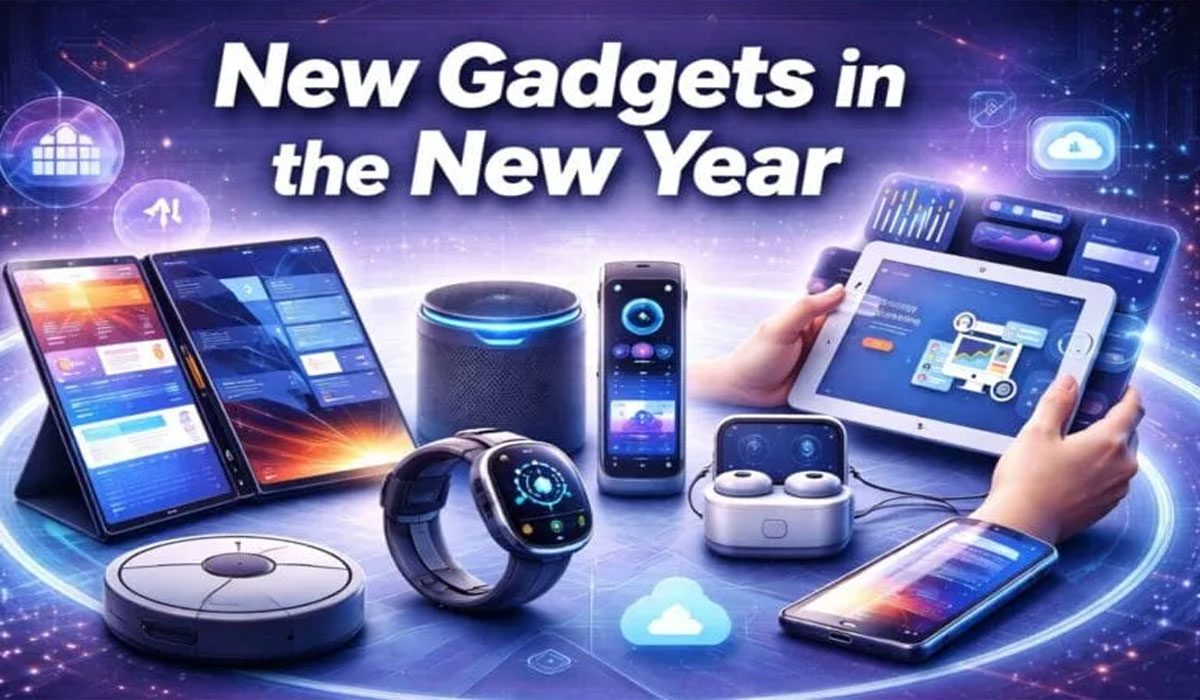
Travel, and even think about everyday life. From highly advanced artificial intelligence systems that can anticipate human needs to smart devices seamlessly integrated into homes and cities, innovation is no longer just improving convenience but actively reshaping reality. As breakthroughs continue to accelerate, the possibilities of what new technology can do are becoming more astonishing—and sometimes even hard to believe. See and follow the complete information only at Trekwe Insight Hub.
The Rise of Hyper Intelligent Artificial Intelligence
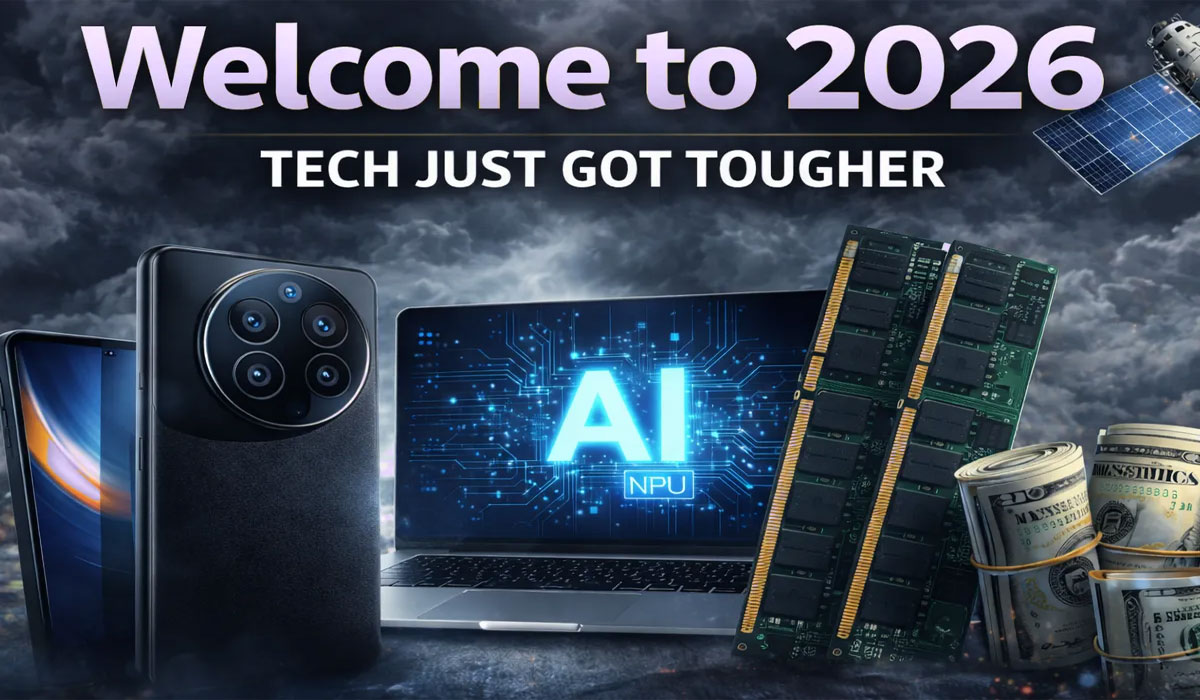
Artificial intelligence in 2026 is far more advanced than in previous years, moving beyond simple automation into complex decision making and real time problem solving. AI systems are now capable of understanding context, predicting user needs, and adapting their responses with remarkable accuracy. This has made them essential tools in both personal and professional environments.
Businesses are heavily relying on AI to improve efficiency and reduce operational costs. From customer service chat systems that respond instantly to data driven marketing tools that predict consumer behavior, AI has become deeply integrated into corporate strategies. Many companies now operate with minimal human intervention in certain processes.
However, the rapid development of AI also raises important questions about ethics and control. As machines become more autonomous, discussions around transparency, accountability, and responsible usage have become increasingly important. Society is now challenged to ensure that AI remains a supportive tool rather than an uncontrolled force.
Smart Devices and the Connected Digital Ecosystem
Modern technology in 2026 is defined by interconnected smart devices that communicate seamlessly with each other. Smartphones, wearables, home appliances, and even vehicles are now part of a unified digital ecosystem. This connectivity allows users to manage their entire environment from a single interface.
Smart homes have become especially popular, offering features such as automated lighting, temperature control, and security monitoring. These systems learn user habits over time and adjust settings automatically to maximize comfort and energy efficiency. As a result, daily living has become more convenient and personalized.
Transportation has also been transformed by smart technology. Electric and autonomous vehicles are increasingly common, using real time data to navigate roads safely and efficiently. This shift is reducing traffic accidents, improving fuel efficiency, and changing the way people think about commuting.
Also Read: Sensational! What Biographers Are Hiding About Famous Lives
The Expansion of Virtual and Augmented Reality
Virtual reality and augmented reality technologies have moved far beyond entertainment in 2026. They are now widely used in education, healthcare, training, and professional development. These immersive tools allow users to experience simulated environments that closely replicate real world situations.
In education, students can explore historical events, conduct virtual science experiments, and interact with complex concepts in a hands on digital environment. This makes learning more engaging and accessible, especially for visual and experiential learners. Teachers are also using these tools to enhance traditional classroom methods.
Healthcare professionals are benefiting significantly from these technologies as well. Surgeons can practice procedures in virtual environments before performing them on real patients, reducing risks and improving precision. Meanwhile, augmented reality assists doctors during surgeries by overlaying critical information directly onto their field of view.
Innovation in Communication and Digital Interaction
Communication technology in 2026 has evolved to become faster, more immersive, and more interactive than ever before. Video conferencing tools now offer lifelike holographic projections, making remote conversations feel almost physically present. This has transformed how people collaborate across long distances.
Social media platforms have also changed significantly, focusing more on immersive experiences and personalized content delivery. Algorithms now tailor content in real time based on user emotions, interests, and behavior patterns. This creates highly engaging digital environments, but also raises concerns about over personalization.
Language barriers are becoming less of an issue thanks to real time translation technology. People from different countries can now communicate instantly without needing to learn multiple languages. This advancement is fostering greater global collaboration and cultural exchange.
Conclusion
The technological landscape of 2026 is defined by rapid innovation, deep integration, and increasing intelligence across all digital systems. From artificial intelligence and smart devices to immersive virtual environments and advanced communication tools, technology is transforming nearly every aspect of human life.
As these innovations continue to evolve, the challenge for society will be to balance progress with responsibility. The future will depend not only on how advanced technology becomes, but also on how wisely it is used to improve human life while maintaining ethical and social stability.